


Datejust
Big datesThe epitome of the classic watch according to Rolex, the Oyster Perpetual Datejust has been a benchmark in innovation and style ever since its launch. As a timeless icon, its name has gone down in the history books of watchmaking. Having borne witness to the accomplishments of remarkable figures, it accompanies decisive moments and key dates that shape a destiny.
Launch of the Datejust
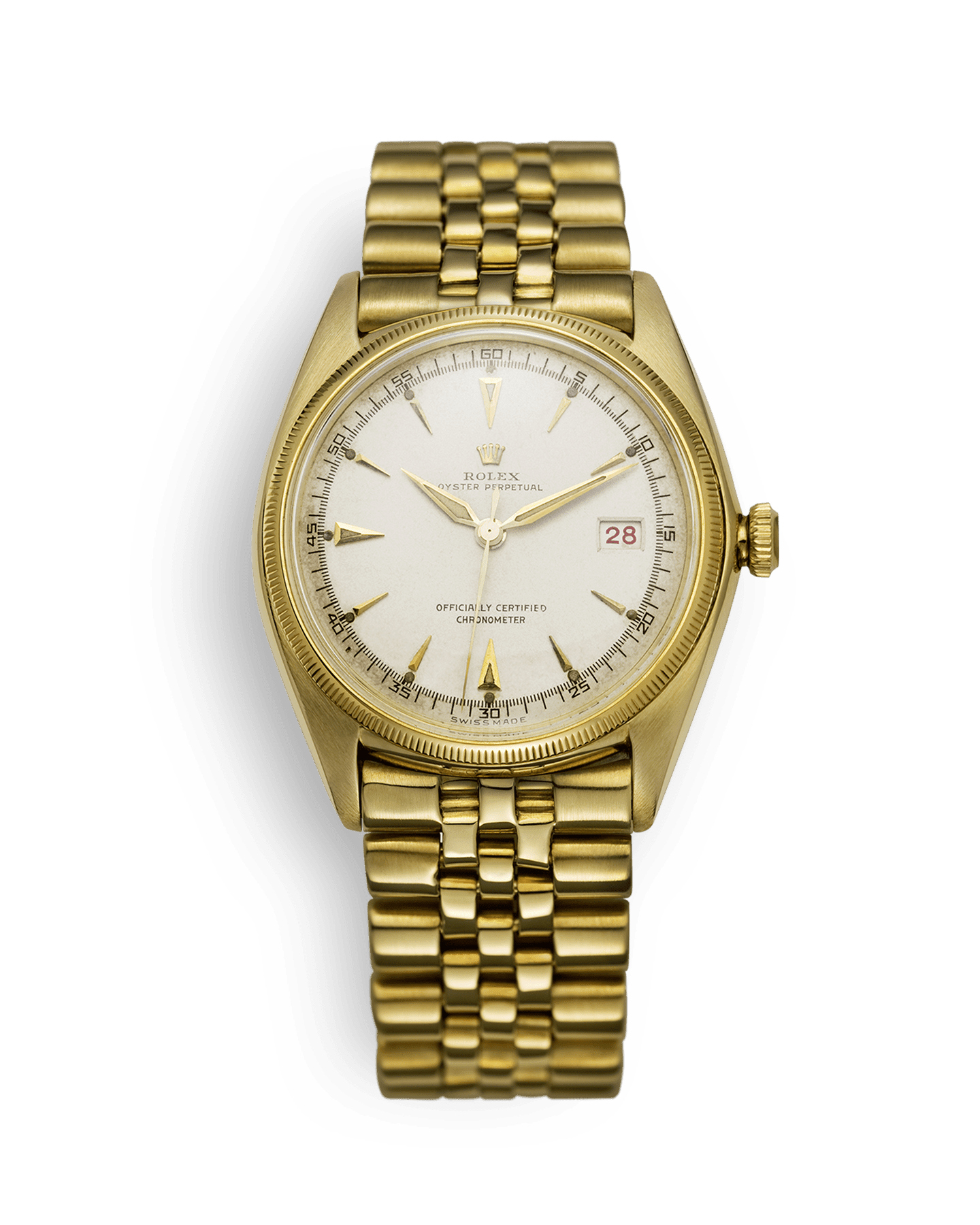
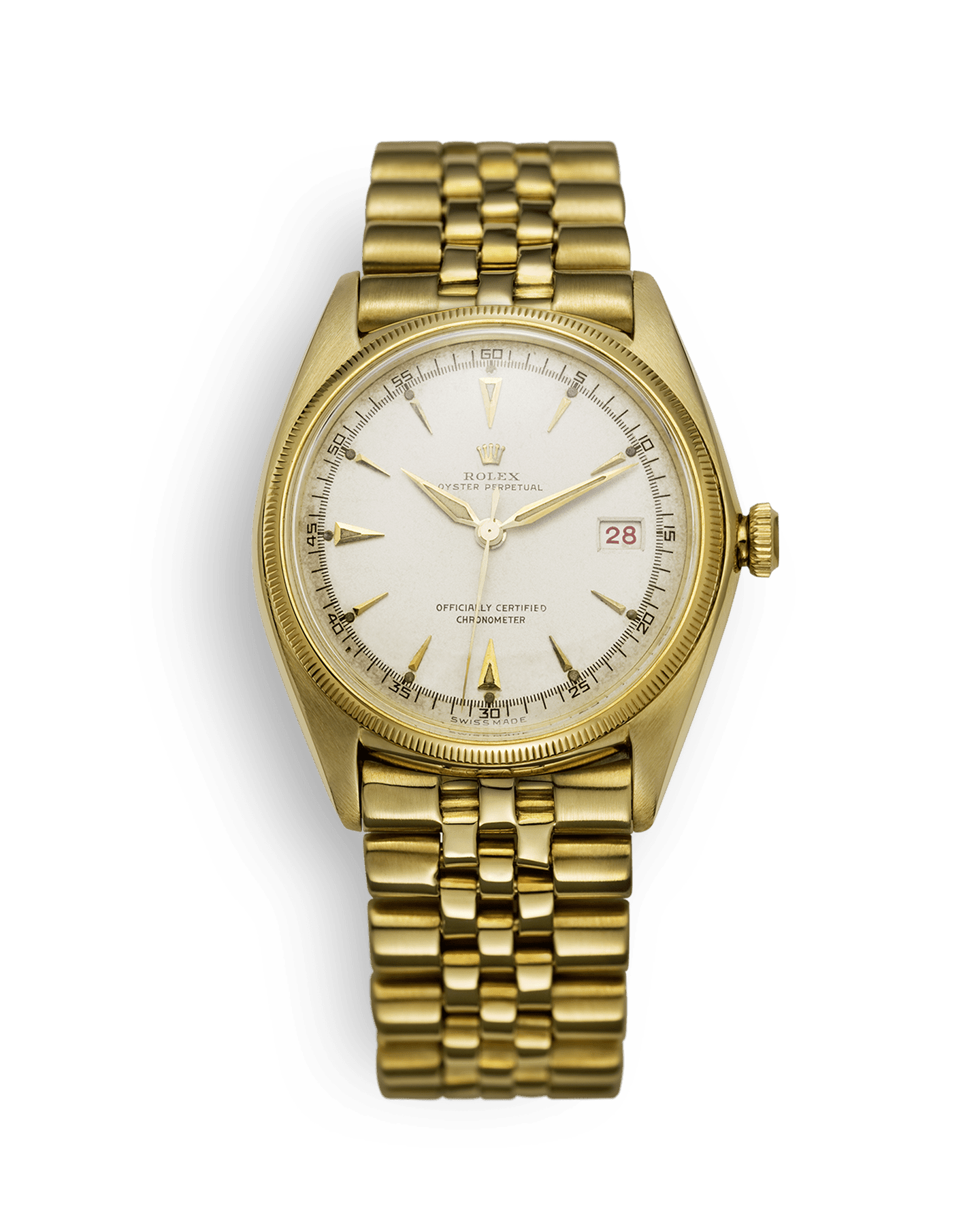
To celebrate the company’s 40th anniversary, Rolex launched the Datejust, a self-winding chronometer wristwatch with the date displayed in a window at 3 o’clock. Originally crafted exclusively in gold, the Datejust featured the Jubilee bracelet, specially created for the occasion, thereby affirming its status as a prestige watch.

1945
A timepiece for history
Rolex founder Hans Wilsdorf proposed to offer a Datejust to Sir Winston Churchill, which the British statesman enthusiastically accepted. He chose a rose gold model, adorned with his coat of arms engraved on the back of the case.

1947

Dwight D. Eisenhower’s Datejust
General Dwight D. Eisenhower was appointed Supreme Commander of NATO forces. To mark the occasion, he was gifted the 150,000th Rolex-certified chronometer: a yellow gold Datejust, engraved with his initials on the case back. Two years later, Dwight D. Eisenhower would go on to become the 34th President of the United States.

Rolesor: robust yet refined
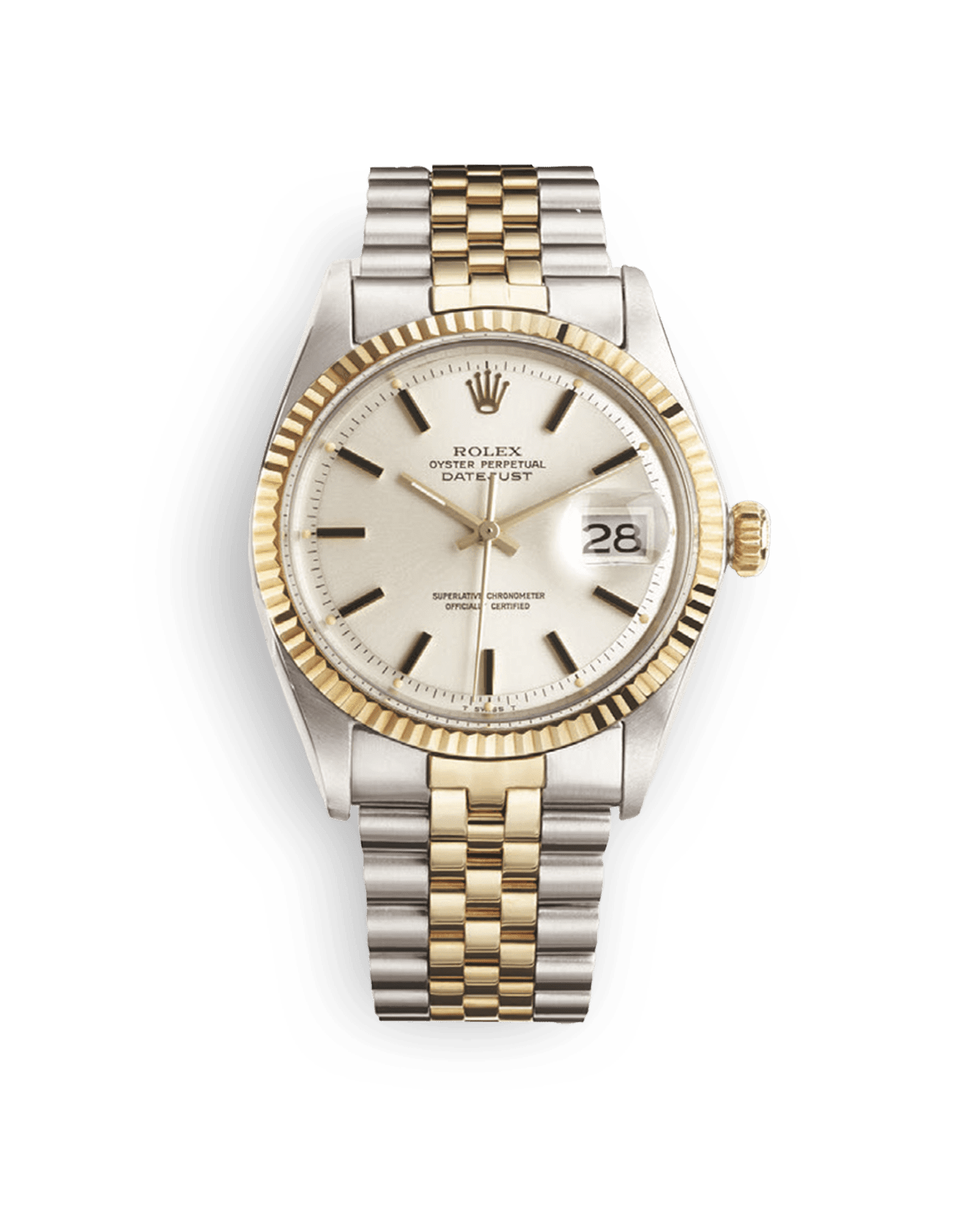
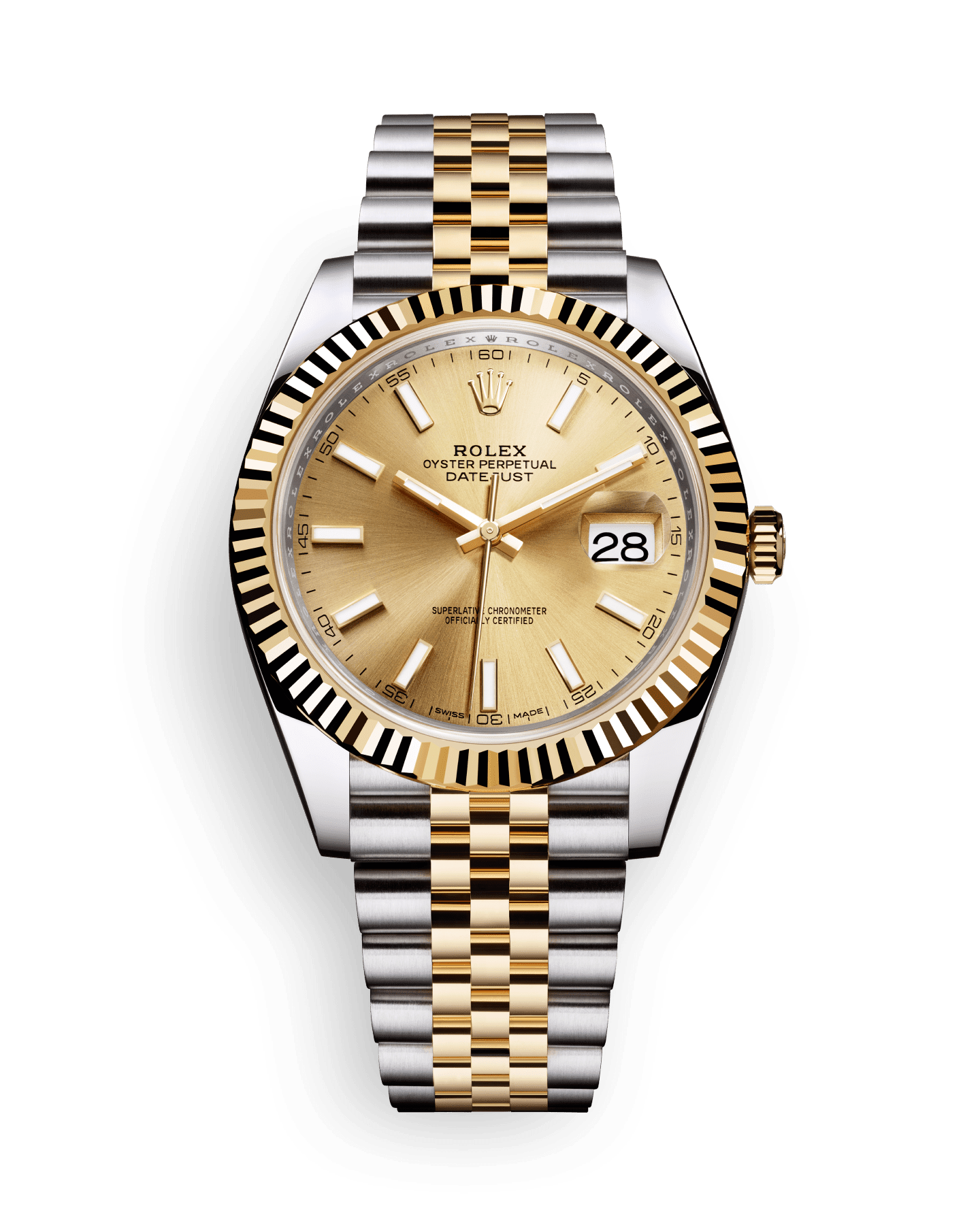
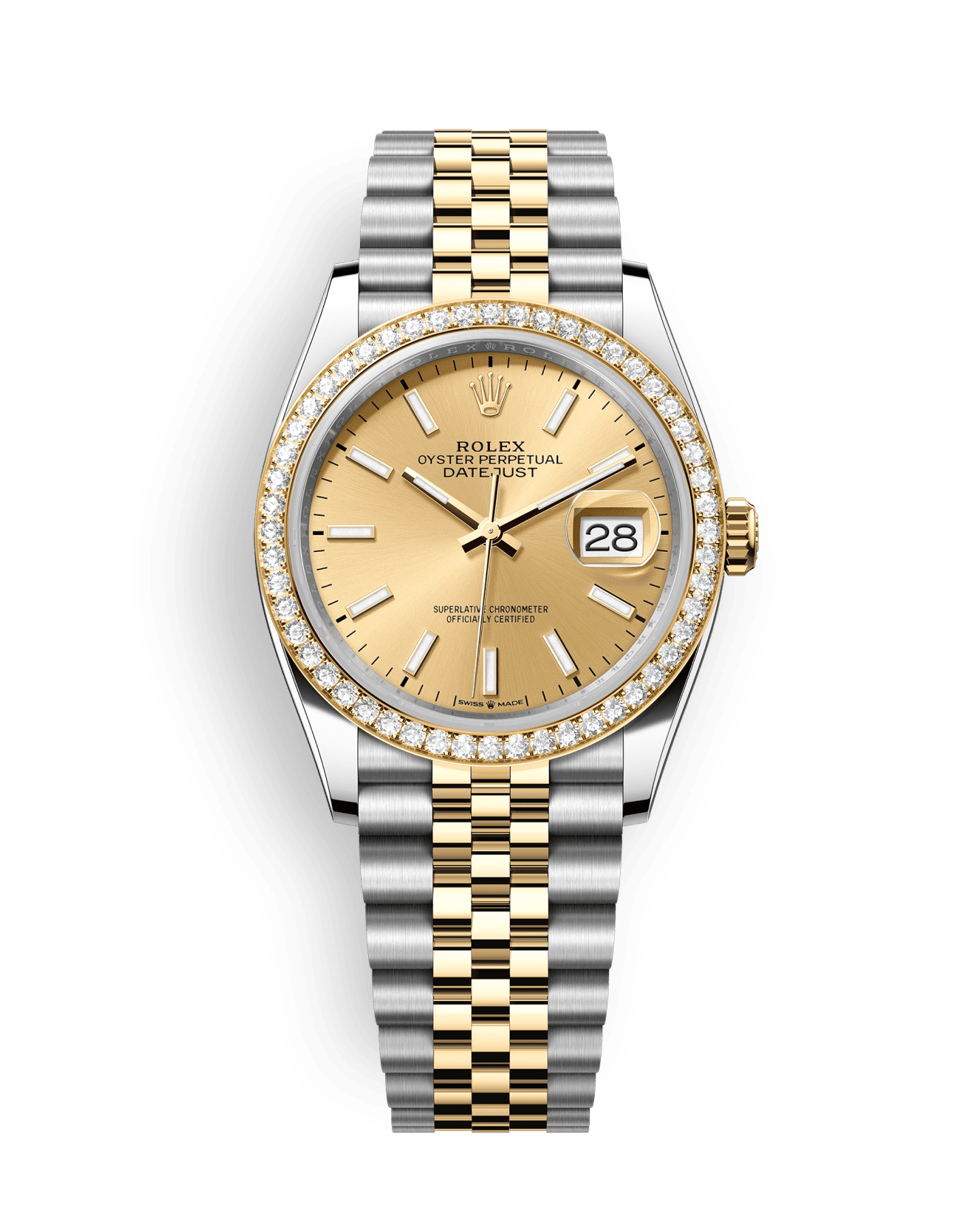
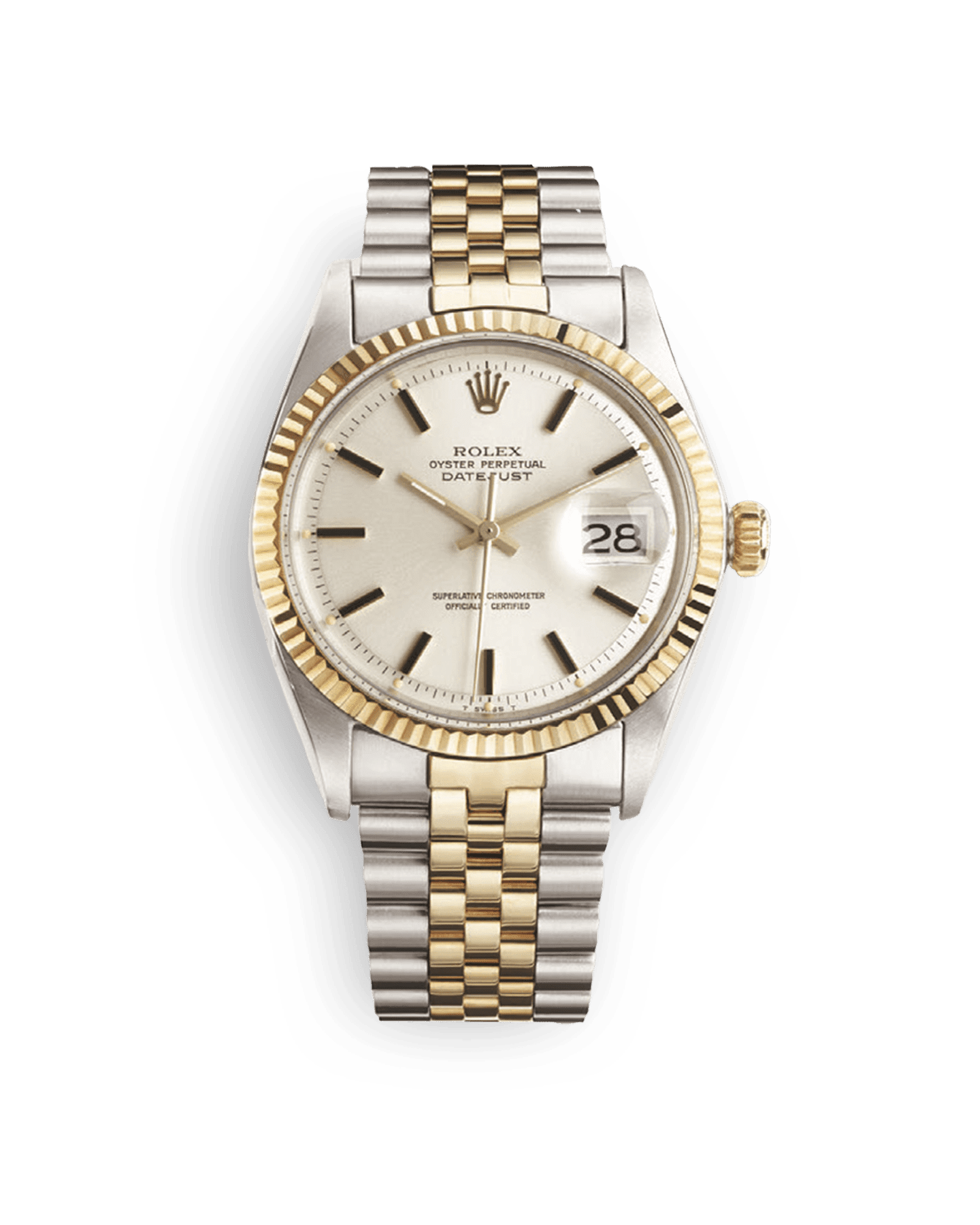
From the 1950s, the first Rolesor versions of the Datejust models, combining gold and stainless steel elements, began to appear in the Rolex catalogue. Initially introduced in the 1930s, Rolesor has become a distinctive aesthetic hallmark of Rolex watches; most particularly the Datejust, which has become the most prolific example.
1950

Launch of the Lady-Datejust
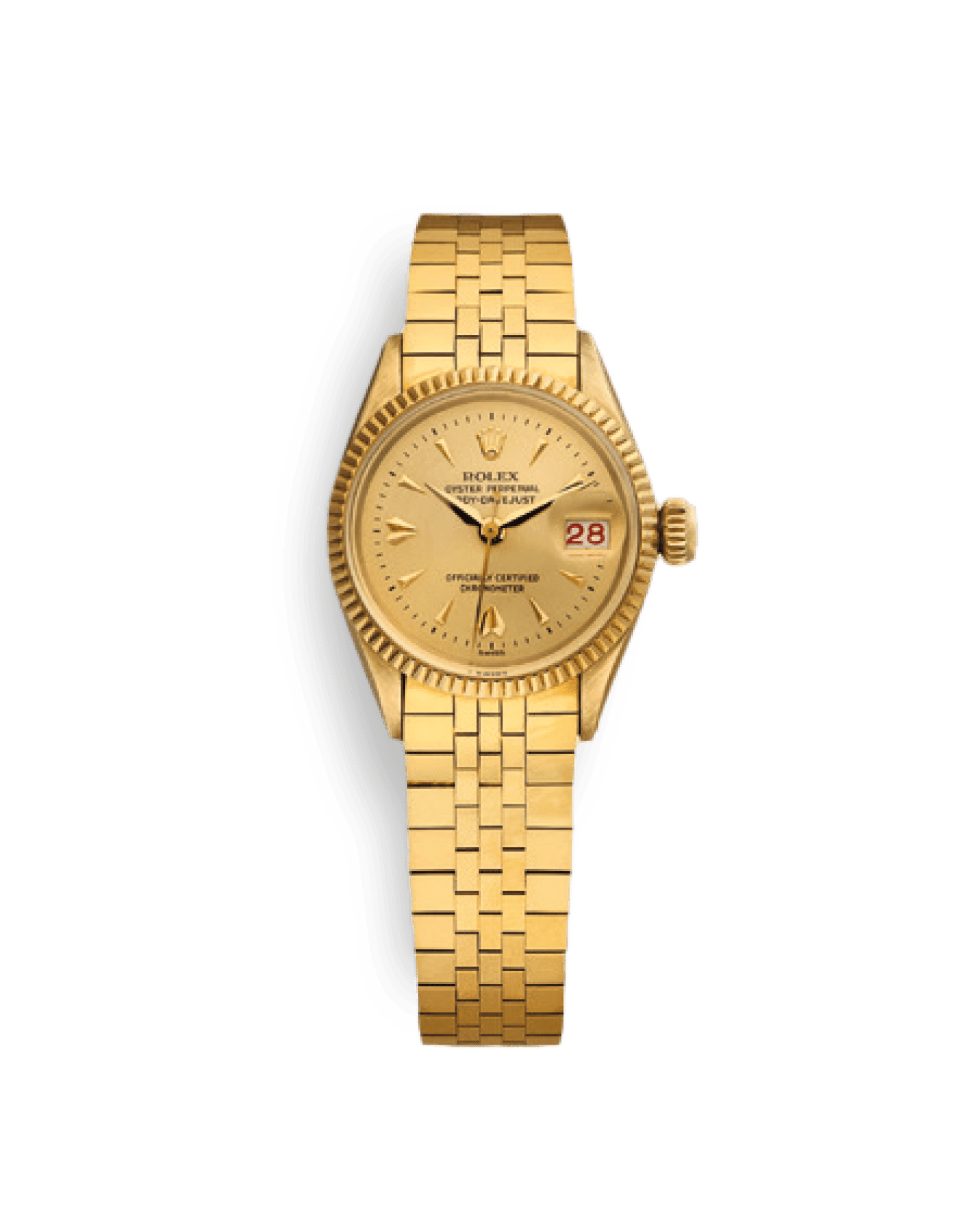
With its 25 mm case, the Lady-Datejust represented a model smaller in size that still retained the precision and waterproofness characteristic of Oyster Perpetual watches. Rolex thereby once again demonstrated its expertise in creating small calibres.
1957

Microstella nuts
Rolex developed the calibre 1560 and 1565 families, which were fitted on various Datejust models at the time. These movements now included a balance wheel with variable inertia that watchmakers could adjust using Microstella screws. These components, patented in 1957, allowed fine adjustment of the balance wheel, and would go on to be replaced by nuts in 1983.
1959

On the wrist of Martin Luther King
One of the most renowned wearers of the Datejust, the Reverend Martin Luther King Jr. was awarded the Nobel Peace Prize on 10 December 1964 in Oslo, in recognition of his fight for equality. Just a few months earlier, he had stood alongside President Lyndon B. Johnson at the White House during the signing of the Civil Rights Act.
1964

Together as one
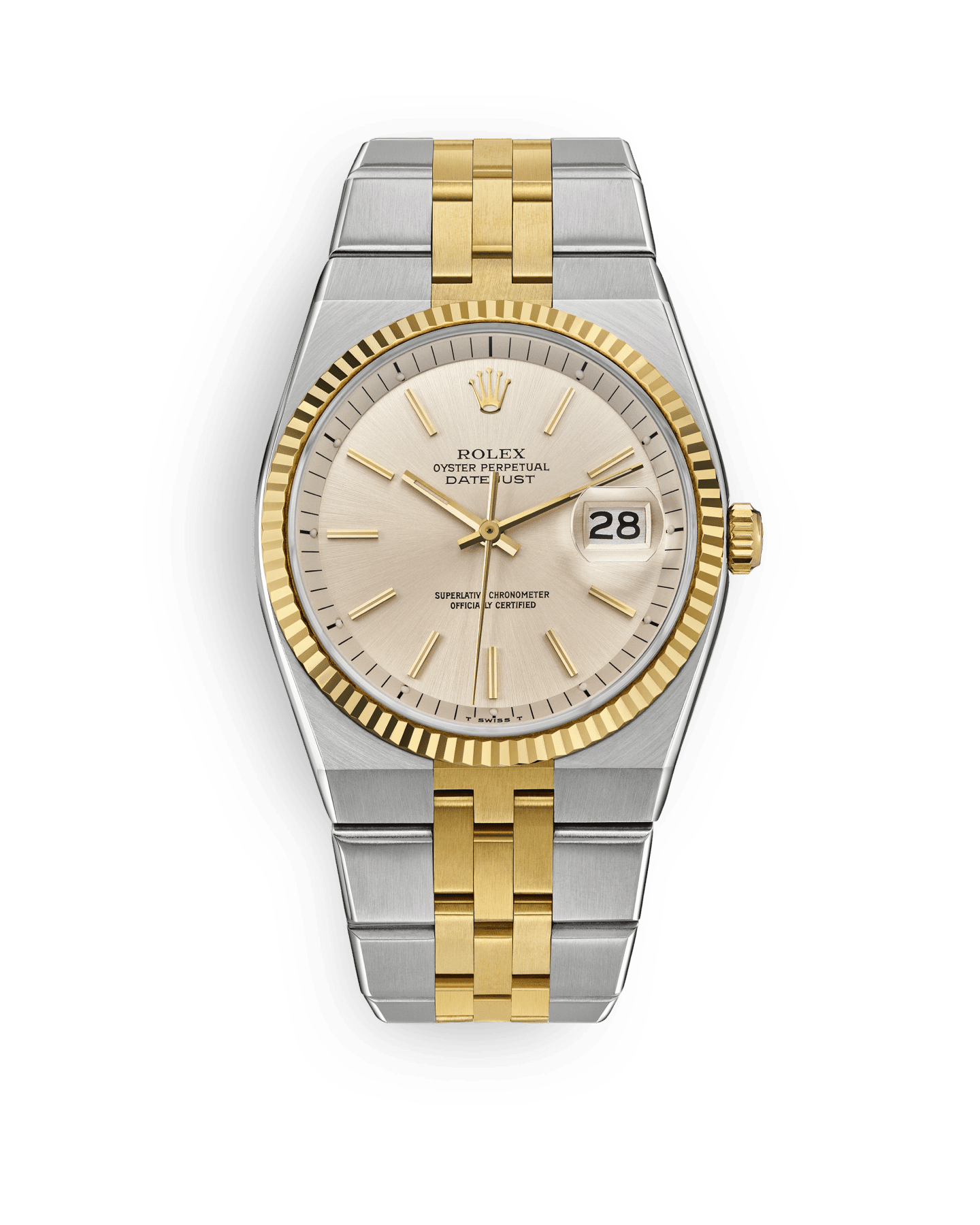
Explored by Rolex since 1969, the design of so-called integrated bracelet watches was introduced on a Datejust model featuring a self-winding movement. Highly fashionable in the 1970s, this design was characterized by a smooth continuous line between the bracelet and case, an aesthetic that the Land-Dweller has reinterpreted in a resolutely modern spirit today.
Discover the Land-Dweller1974

“Quickset”
The introduction of calibre 3035 marked an important milestone in the watchmaking history of the Datejust. This new movement had a frequency of 4 hertz (28,800 beats per hour) and, most importantly, featured a rapid-setting system for the date (quickset) that operated independently of the hands, via the winding crown.
1977

Preserving the wild
The Datejust appeared in adverts featuring Richard Leakey, then newly appointed head of Kenya’s Wildlife Conservation and Management Department. The Kenyan paleoanthropologist and biologist reminded us that “what we do today has an impact on future generations”. For half a century, Rolex’s commitment to preserving the planet has only grown stronger. Today, it is expressed through the Perpetual Planet Initiative.
1991

The Datejust and tennis
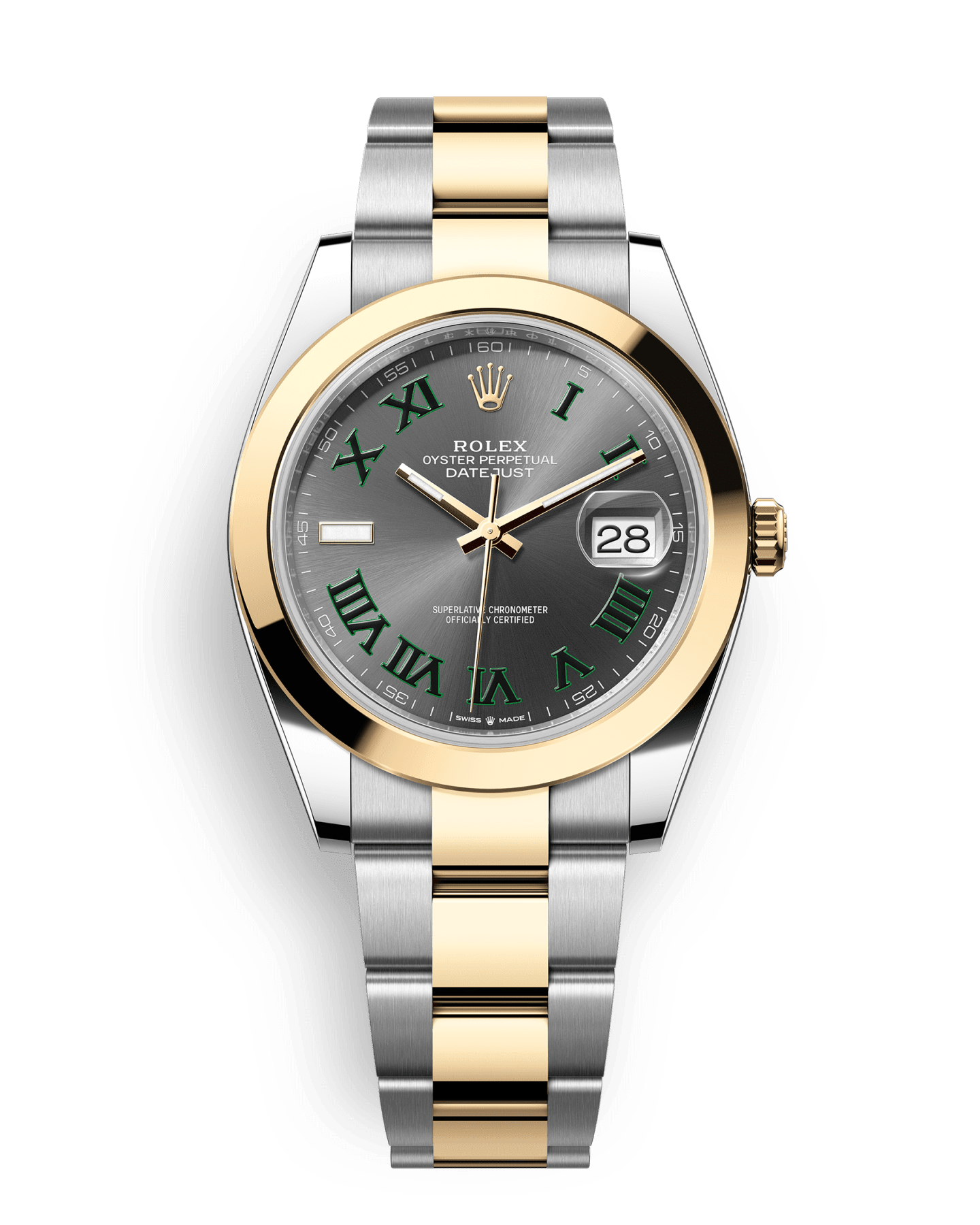
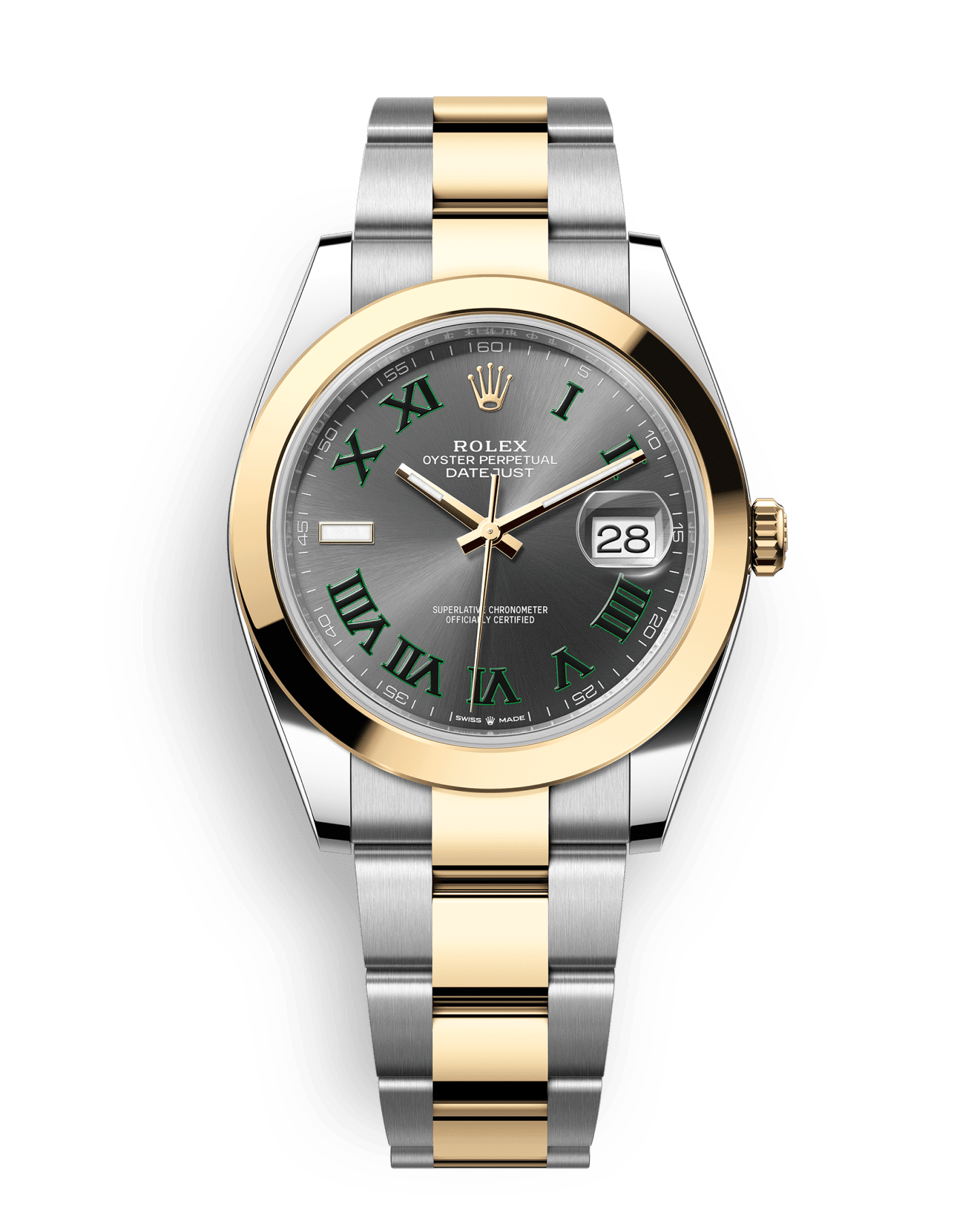
With its slate dial and Roman numeral hour markers in a green reminiscent of the iconic grass of Wimbledon’s Centre Court, this yellow Rolesor version of the Datejust was launched in 2009 and represented the essence of Rolex’s long-standing partnership with the world of tennis. In 1978, Rolex became Official Timekeeper of the world’s oldest Grand Slam® tournament.
2009

Introduction of calibre 3235
Featured on the Datejust 36 and 41, calibre 3235 has been the subject of 14 patent applications. These reflect Rolex’s ongoing commitment to research and development, designing technical solutions that improve precision, power reserve, resistance to shocks and magnetism, ease of adjustment and reliability.
